So… Who Are We Dressing For Now, Really?
6 MIN READ — MARCH 2026
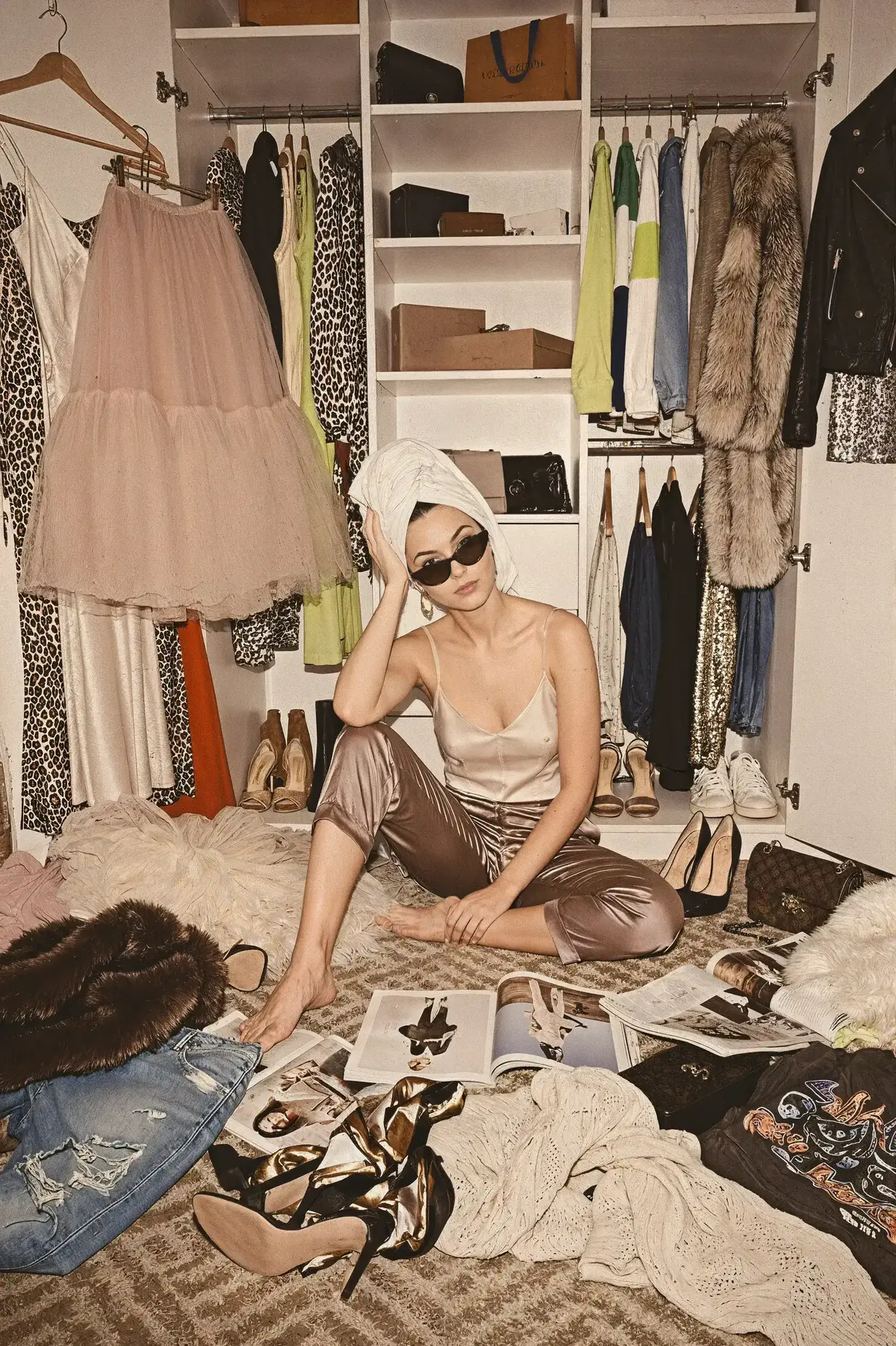
Let’s talk about it. Because this question used to have a fairly straightforward answer. You dressed to be desired. To belong. To be noticed by someone attractive, preferably across the room, preferably under good lighting. Now? The room is infinite. The lighting is questionable. And the audience includes men, other women, Hollywood stylists, TikTok teens, and an algorithm that woke up today and chose chaos. So, the real question is no longer what are we wearing? It’s who, exactly, are we dressing for?
Once Upon a Time, It Was Definitely Men
For years, fashion operated like a romantic subplot. Hemlines, silhouettes, even rebellion itself were framed through desirability. Think old Hollywood glamour. Marilyn’s dresses. Bombshell energy. Even when women dressed “boldly,” it was still part of the conversation.
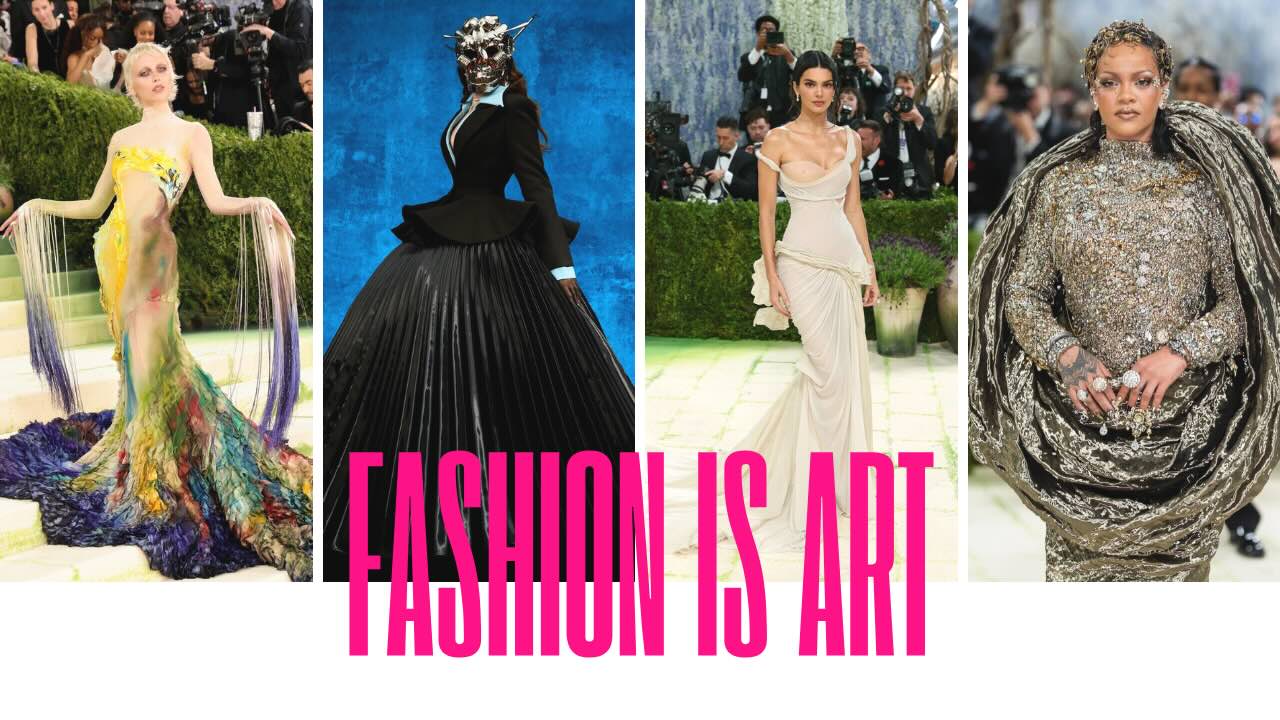
That mindset didn’t disappear overnight, but it did loosen its grip. Somewhere between watching Cate Blanchett in a perfectly cut suit and seeing Zendaya show up in method dressing that feels more like art than appeal, the shift became obvious. Attraction didn’t vanish. It just stopped being the main objective. What once felt like obligation now feels optional and that's the progress.
Then There’s Dressing for Other Women
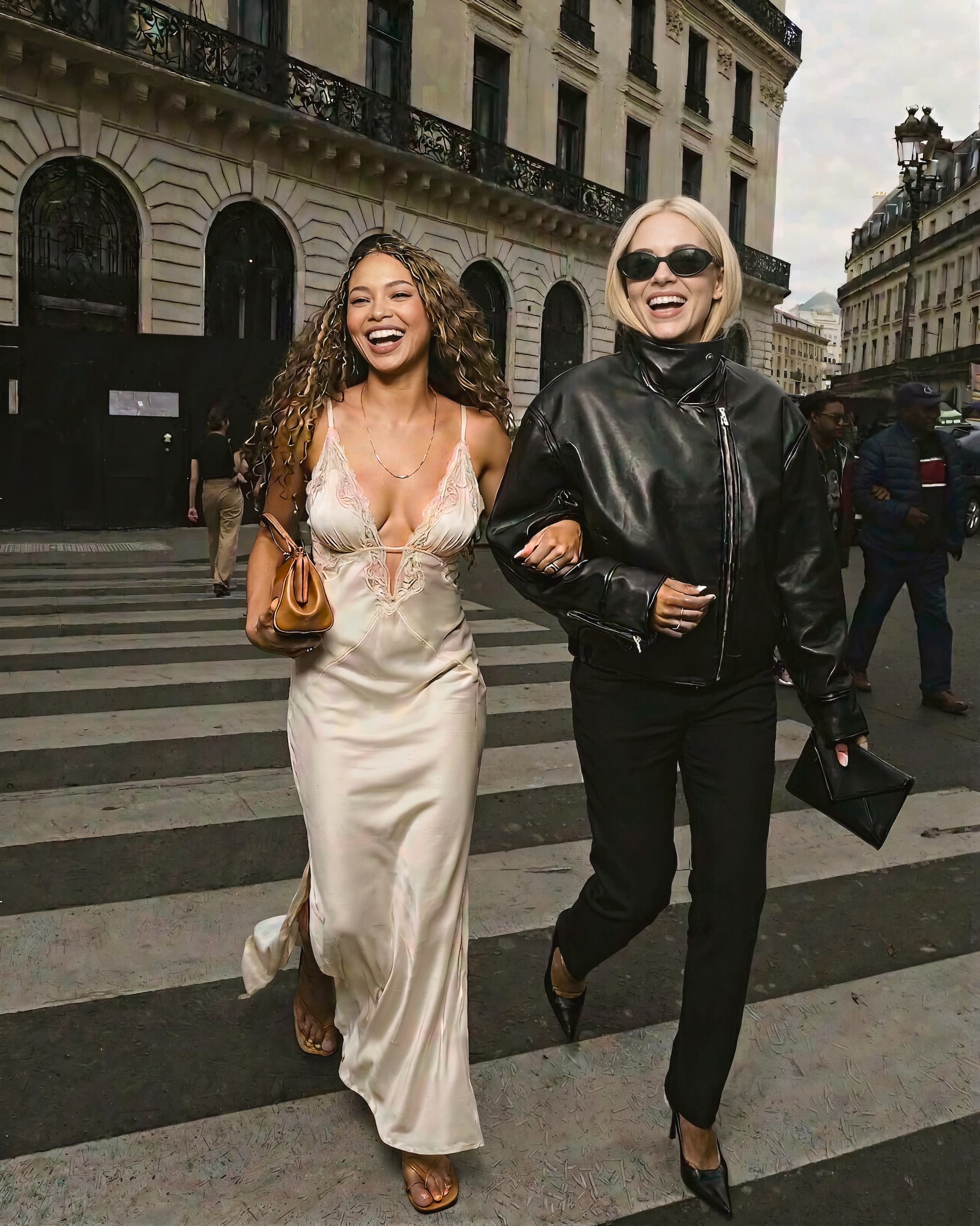
Ah yes. The most complex audience of all. This is the look exchanged in elevators. The quick scan at dinners. The silent nod on the street when someone really gets it right. Dressing for other women isn’t about approval. It’s about recognition.
Think Sex and the City energy, but evolved. Carrie dressed for curiosity, not consensus. Today, it’s less about spectacle and more about fluency.. Knowing what’s current. Knowing what’s intentional. Knowing when someone has styled something just for themselves. It can be inspiring. It can also be exhausting.
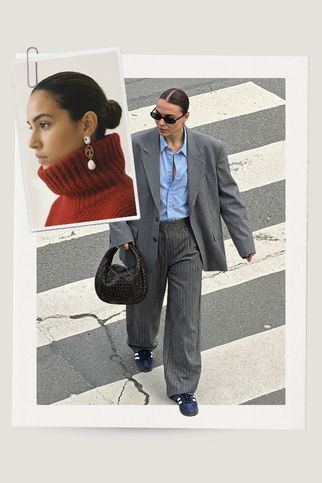
Because the pressure is subtle. Look effortless. Look informed. Look like you didn’t try, but also clearly know what’s happening. Fashion becomes a language, and the dialect changes weekly. At its best, it feels communal. At its worst, it feels like a silent competition no one agreed to enter.
And Then the Algorithm Entered the Chat
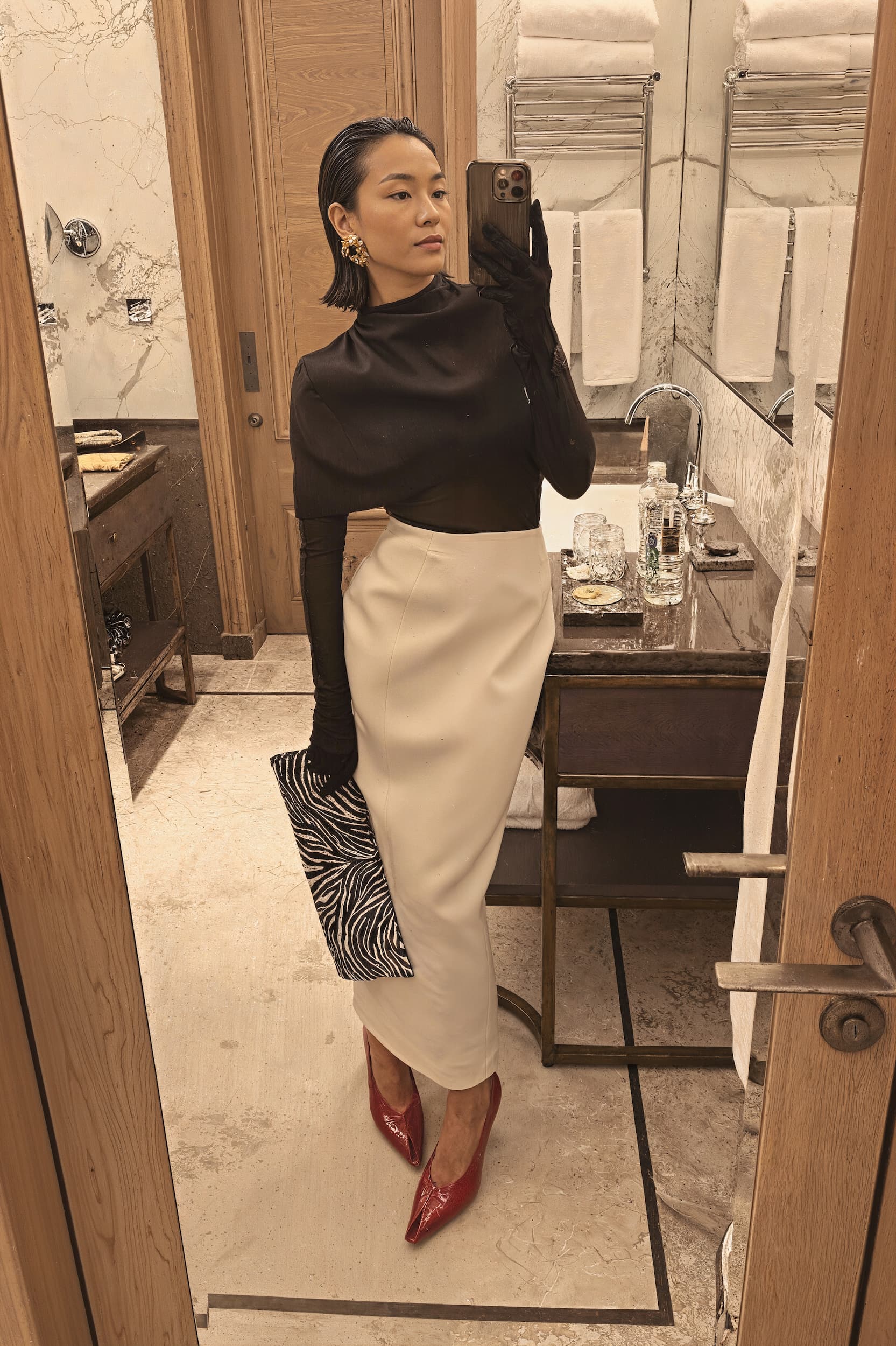
This is where things got weird. The algorithm does not care how clothes feel. It doesn’t care if you can sit, walk, or breathe comfortably. It cares about contrast, clarity, and recognisable formulas. Big coat. Small top. Viral shoe. Repeat. Outfits are now often built like movie trailers. Designed to grab attention fast, not necessarily to hold up over time.
We see it everywhere. Red carpet looks engineered for screenshots. Celebrities dressing for “the moment” rather than themselves. Even street style starting to feel… strategic. Influence itself isn’t the villain. But dressing for performance can quietly disconnect style from real life. When clothes are chosen for the camera first, the person wearing them becomes secondary.
The Question That Changes Everything
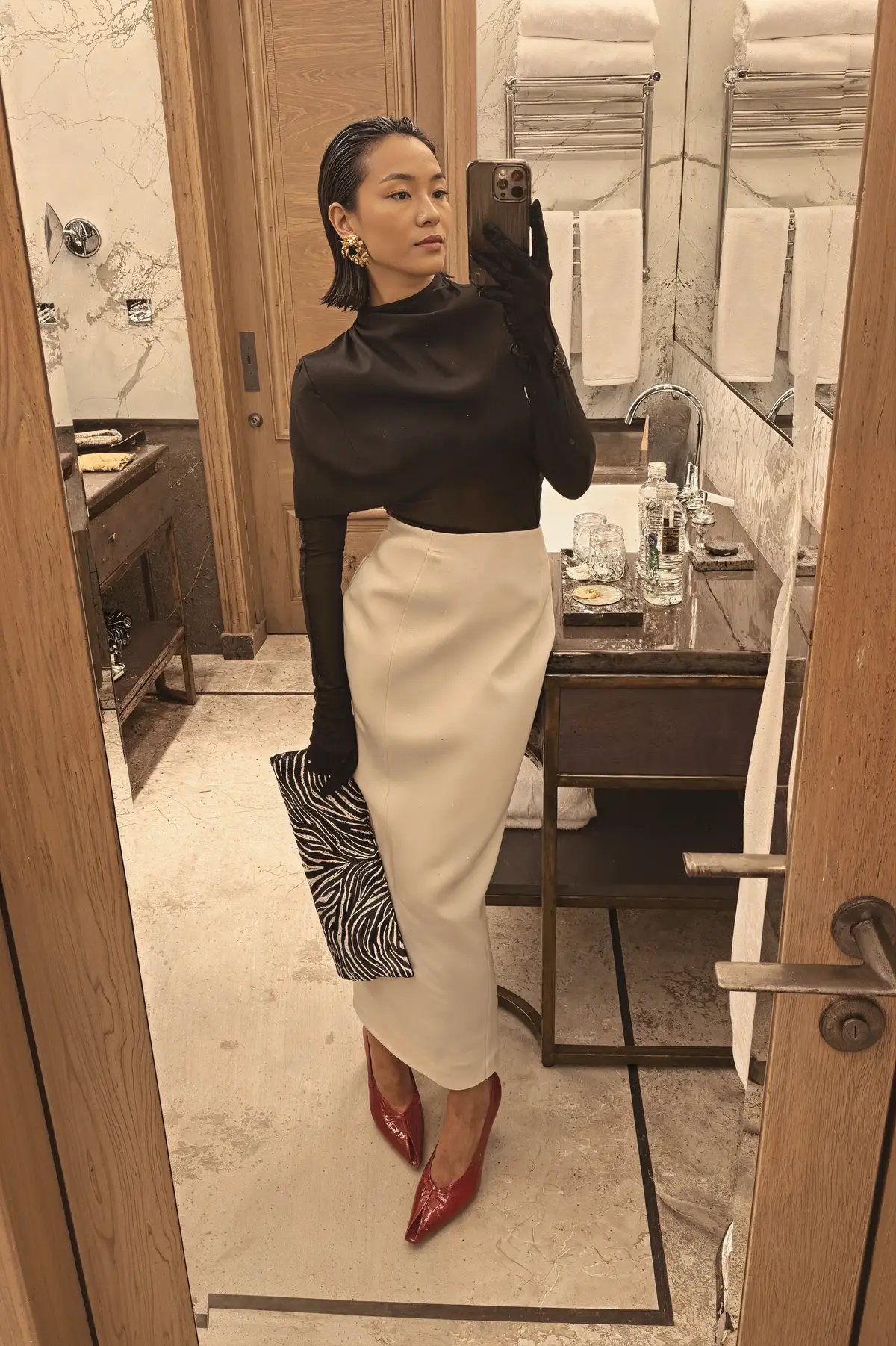
What happens when none of these audiences take centre stage? Some of the most compelling style moments right now feel strangely private, even when photographed. Think Sofia Coppola’s off-duty uniform. Think Gwyneth Paltrow in court-core before it had a name.Think of the quiet confidence of someone who knows what works and doesn’t need to explain it. These looks aren’t chasing validation.They aren’t optimised for the algorithm. They feel aligned. And alignment, it turns out, is very attractive.
So Where Does That Leave Us?
Of course we’re influenced. Fashion has always been a conversation. Hollywood, runways, pop culture, and real life have always fed into each other.But influence doesn’t have to replace intention. The most modern way to dress now isn’t for men, isn’t for other women, and definitely isn’t for the algorithm. It’s to dress with awareness. With humour. With a sense of self that doesn’t collapse under scrutiny.
When the audience fades into the background, style becomes lighter. Freer. More fun.
The Archive
- 01 And that’s when it stops feeling like performance and starts feeling like personal style again.
And that’s when it stops feeling like performance and starts feeling like personal style again.
31 Labels Journal
Return to Store